Granola vs. Muesli: What’s the Difference and Which Is Better?
Introduction
n the world of healthy eating, granola and muesli are two of the most popular breakfast options. Both are packed with nutrients, fiber, and energy—but they’re not the same. If you’ve ever stood in front of the cereal aisle wondering, “Should I go for granola or muesli?”—you’re not alone.
In this article, we’ll explore the key differences between granola and muesli, their nutritional values, health benefits, and help you decide which one is better for your lifestyle.
What Is Granola?
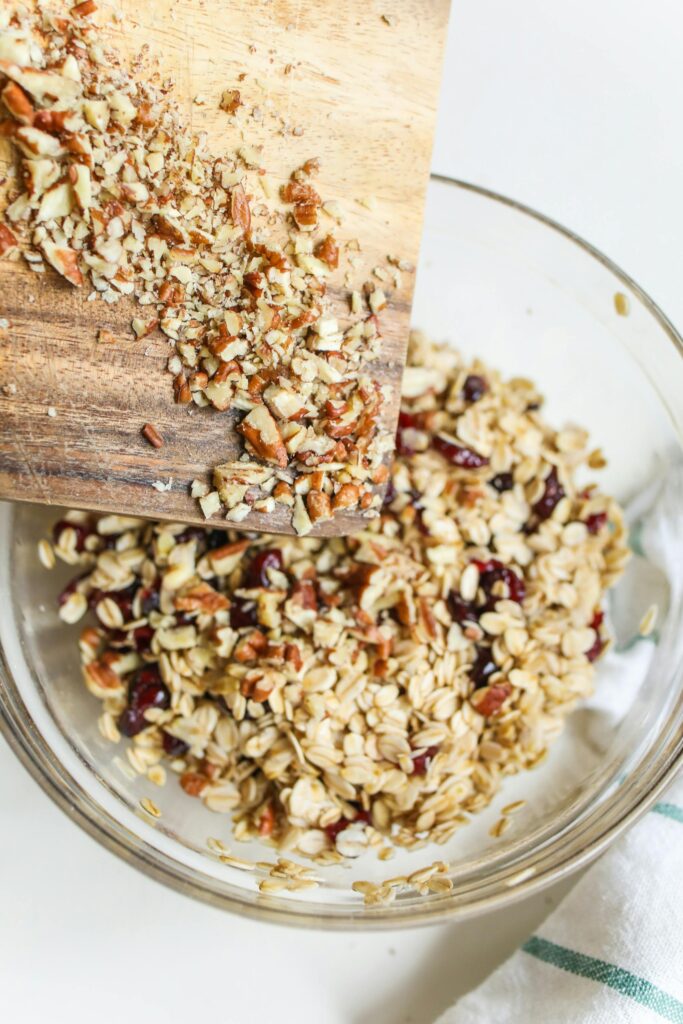
Granola is a baked breakfast cereal typically made with rolled oats, nuts, seeds, dried fruits, and sweeteners like honey or maple syrup. It’s usually crunchy and slightly sweet.
Common Ingredients in Granola:
Rolled oats
Almonds, cashews, walnuts
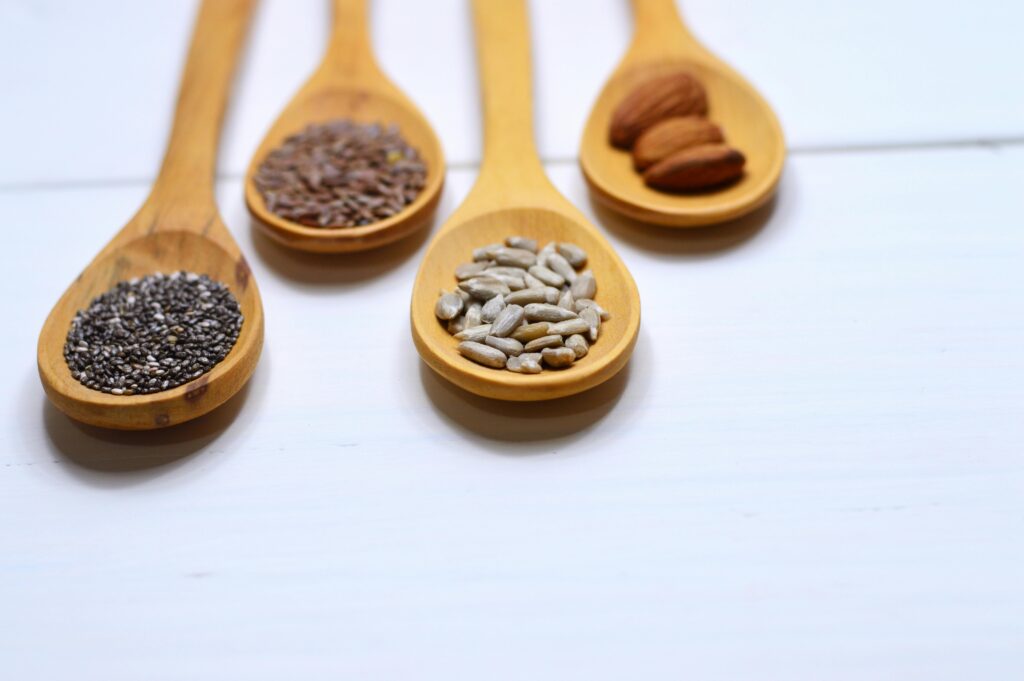
Chia seeds, flaxseeds, sunflower seeds
Honey, maple syrup, brown sugar
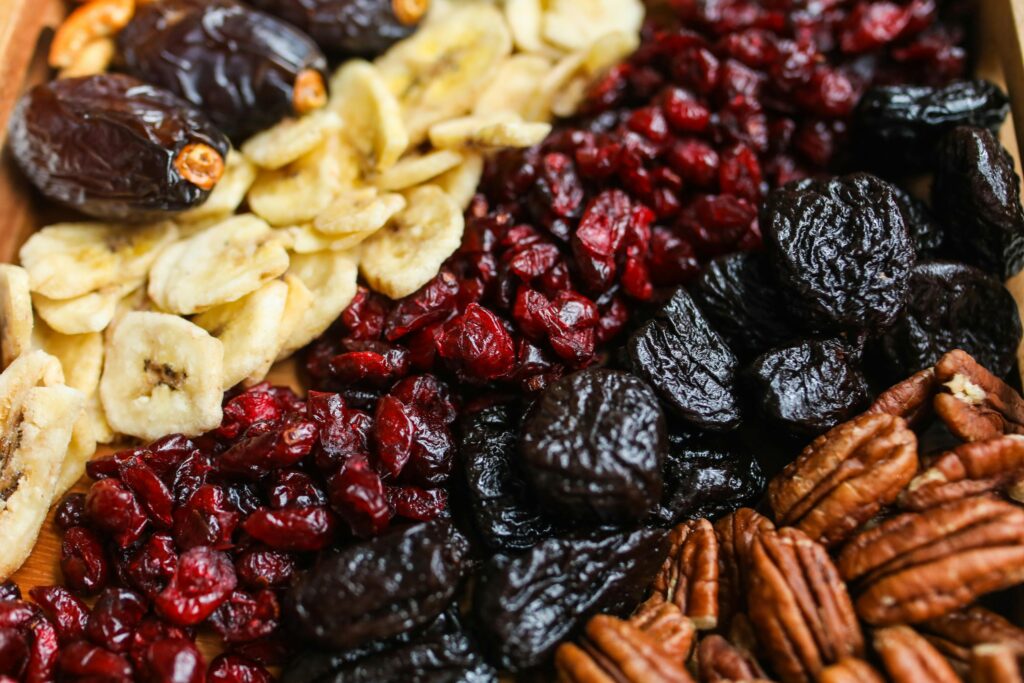
Raisins, cranberries, or other dried fruits
Coconut flakes or cocoa nibs (optional)
Popular Granola Uses:
Topped on yogurt
With milk or plant-based milk
As a snack bar or energy bite
In smoothie bowls
What Is Muesli?
Muesli is a raw, unbaked mixture of similar ingredients: rolled oats, grains, seeds, nuts, and dried fruits. It’s often unsweetened and soaked overnight for better digestion.
Common Ingredients in Muesli:
Rolled oats and wheat flakes
Almonds, hazelnuts
Sunflower seeds, pumpkin seeds
Dried apples, bananas, or berries
No added sugar or oil
How to Eat Muesli:
Cold with milk or yogurt
Soaked overnight (like overnight oats)
Cooked as porridge
Granola vs. Muesli: Key Differences
FEATURE
GRANOLA
MUSELI
Preparation
Baked, often with oil and sweetener
Raw and unbaked
Texture
Crunchy
Soft, chewy (especially when soaked)
Sugar Content
Often contains added sugars
Usually unsweetened
Calories
Higher due to oil and sweeteners
Lower calorie count
Flavor
Sweet and toasted
Mild, natural flavor
Convenience
Ready to eat
Often needs soaking or prep
Nutritional Comparison: Granola vs. Muesli
Granola:
Calories: Higher (approx. 400-450 per 100g)
Fat: Moderate to high (depends on oil and nuts used)
Protein: 8–12g per 100g
Sugar: Can be 10–20g per 100g (check labels)
Fiber: 6–8g per 100g
Muesli:
Calories: Lower (approx. 300-350 per 100g)
Fat: Lower (unless nuts/seeds are added generously)
Protein: 7–10g per 100g
Sugar: Often below 10g (no added sugar)
Fiber: 7–9g per 100g
Which One Is Better for You?
It depends on your health goals, taste preferences, and lifestyle.
Choose Granola If You Want:
A sweet, crunchy snack or topping
A higher-energy breakfast
A portable and ready-to-eat option
More variety in flavors and textures
A satisfying post-workout fuel
Choose Muesli If You Want:
Lower sugar and calorie content
Less processing
A softer texture (especially soaked)
A clean, natural taste
Ideal for weight loss or sugar-restricted diets
Is It Okay to Eat Granola or Muesli Every Day?
Yes—both can be part of a healthy diet when consumed in moderation and chosen wisely. Be mindful of portion sizes (typically 30–50g per serving) and choose versions with:
No artificial additives
Minimal added sugars
Whole, real ingredients
Can You Mix Granola and Muesli?
Absolutely! Some people prefer to blend granola (for crunch) with muesli (for nutrients) for a balanced texture and flavor. It’s the best of both worlds!
Homemade vs. Store-Bought: Which Is Better?
Homemade granola and muesli allow full control over ingredients.
Store-bought options save time but can be high in sugar or preservatives—choose natural, clean-label brands.
Conclusion: Granola or Muesli—Which Should You Pick?